


In the first post in this series, my AI agent (I call it Jefe) built an Etsy sticker shop from market research to live listings. This is the follow-up I promised when the sticker sheets landed. They landed, and they peel. This post is about the other half of that story: what running a real business through an AI agent looks like day to day.
The setup, briefly
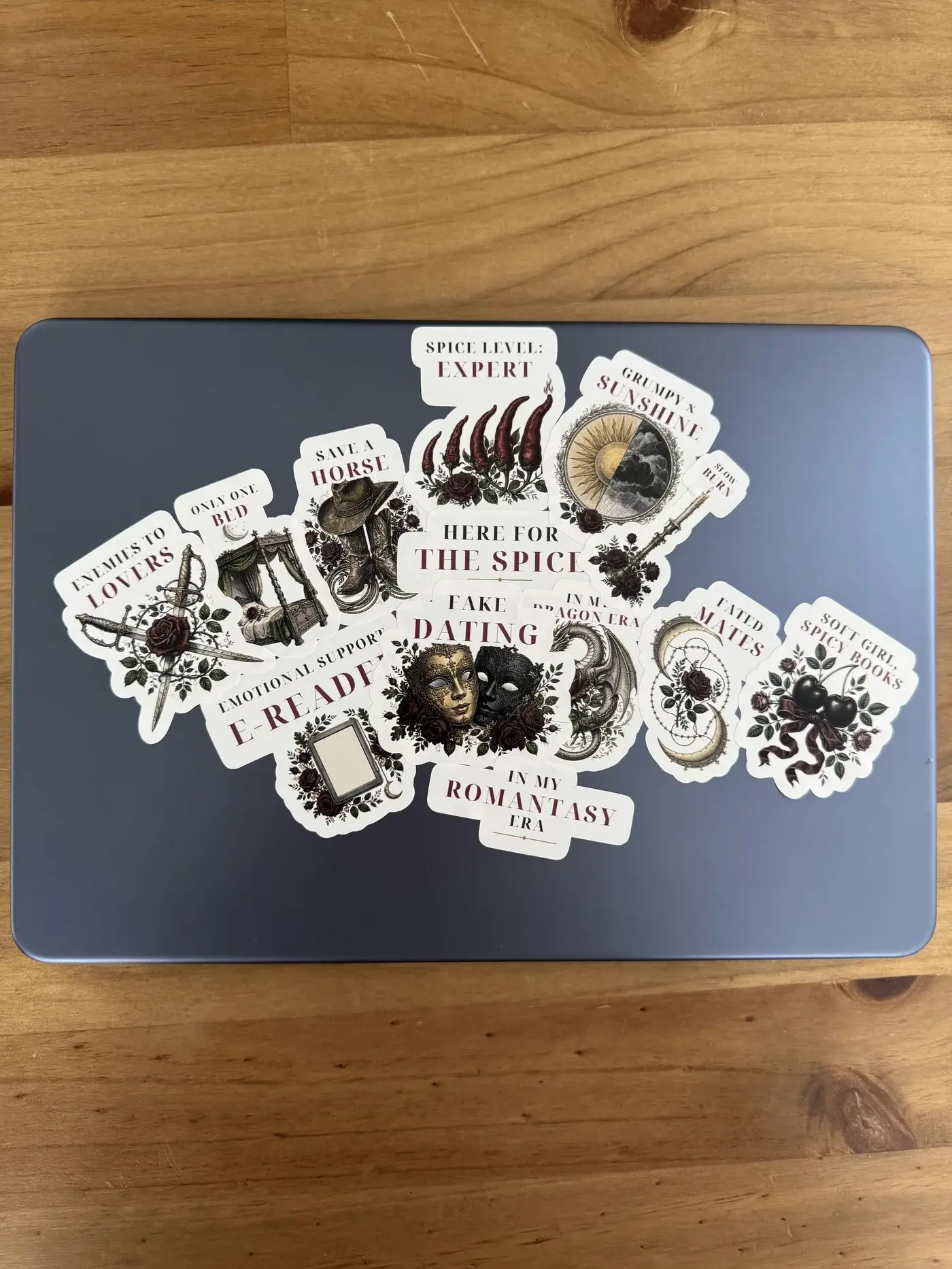
PegaLit sells romance reader stickers. Five single stickers went live on October 30. The two sticker sheets were the open item: the first production version failed its peel test in October because the design files were fully opaque, so the print shop's cutter read each sheet as one big sticker instead of six separate ones.
Everything since then has run on the same division of labour as the original build. The agent researches, builds, checks and drafts. I approve, per item, before anything goes public. That rule has been tested: a bundled "approve everything" tap got recorded once when I had only meant "I need to look at these," and the agent revoked it and re-presented all twelve items individually.
What the agent did since the last post
Diagnosed the failure from the file. The v1 sheets failed because of pixel data: no transparent gaps between designs. The agent rebuilt the files with a clean 2x3 grid and transparent spacing, verified the alpha channels programmatically, and only then placed a small test order (USD 15.66 for two sheets, at my approval).
Ran the verification loop when the samples arrived. The sheets were delivered November 12, and I ran the peel test myself that evening. My verdict, verbatim: "The samples are here and Jefe, we have the sauce! These are actually proper!!!" Physical steps are where the agent's reach ends. It cannot film a peel, hold a sheet up to a window, or judge light. I shot 75 photos and videos in one Saturday session; the agent reviewed every file, picked the listing shots, and flagged exactly which clips covered which product.

Published, and caught its own pricing error. The Spicy and Funny sheet went live on Etsy on November 14. The first publish carried the price over from the print platform as CA$14.95 when the approved price was USD 14.95. The agent flagged the currency slip itself, showed me the margin math both ways (about CA$5.55 a sheet versus about CA$11.10), and repriced the listing to CA$20.95 once I said go. The second sheet hit a platform snag: its product record was wired to a dead shell listing from an accidental October publish. The agent stopped rather than publish over it and brought me two recovery options. I picked duplicate and publish, and the Tropes sheet went live on November 15.

Ran the standing machine. Around these events, the standing system kept running: a twice-daily inbox watch, daily social posts and engagement with hard caps, a weekly traffic digest, and a morning briefing so I do not have to ask what is scheduled. That routine work is most of the job.
The numbers, plainly
Etsy, last 30 days: 11 visits, 10 listing views, 0 orders, and still 0 visits from Etsy search. Pinterest, last 30 days: 1,704 impressions, with 1,284 of those in the last 7 days alone, 59 engagements, and exactly 1 outbound click to the shop.
Pinterest impressions are climbing fast, but outbound clicks to the shop are still near zero. Seven listings are now live instead of five. More listings is the lever the data points at: more products, more chances to be found, same system.
What I would tell another business owner
- Give the agent a system to run every day, not a pile of one-off tasks.
- Keep approvals per item and make them easy to withhold. The one time approval got bundled, it was wrong.
- Verify outputs against artifacts. The agent checks its own work against source files and live pages, and I spot-check the money numbers.
- Budget for the physical world: samples, reshoots and shipping. My time is the bottleneck, in about one-hour bursts.
Both sheets are live now, the new Reels are rolling out from the reshoot footage, and the remaining two sheets wait on their own sample order. I will report back when there is an order to report, or when the data says the experiment has run its course.