I run a two-person web agency. That means our socials compete with client work, our own website, and everything else, across Threads, X, Instagram, and Facebook. For a while, our own channels were the thing that slipped. That is a problem when you sell websites: if a web agency has nothing on its socials, or nothing consistent, it costs trust before a prospect ever talks to you.
So I handed our Instagram content over to an agent. Specifically, to Muse, Meta's AI agent. Not fully automated, and that distinction matters. The goal was never to walk away. The goal was consistency, with a human in the loop on every post. We connected Instagram and Threads, and content started going out through that pipeline, with me approving everything first. We are lucky in one way: a lot of blog content gave us plenty to build from, and an assistant-driven setup is good at knowing what the priorities are and what needs to get done first.
The hardest part was not the posting. It was the design.
We already have a brand identity, and the first prompt came back with a generic design. That stung, because the whole point of a brand is that it does not look generic. And honestly, handing design work to Muse was scary. Muse is not a frontier model, plain and simple. When most people think of AI, they think of Claude or ChatGPT first. Claude does not even generate images natively without a skill or a workaround, and when it comes to making materials, ChatGPT and Gemini (Nano Banana) are the top hitters. So giving the design job to what feels like a generic brand AI took a leap.
What saved it was the back-and-forth. Muse could study our existing posts and work from those instead of inventing a look from scratch. Round after round, it got closer, until it got the okay from me. No different than a junior designer asking for approval before something goes out.
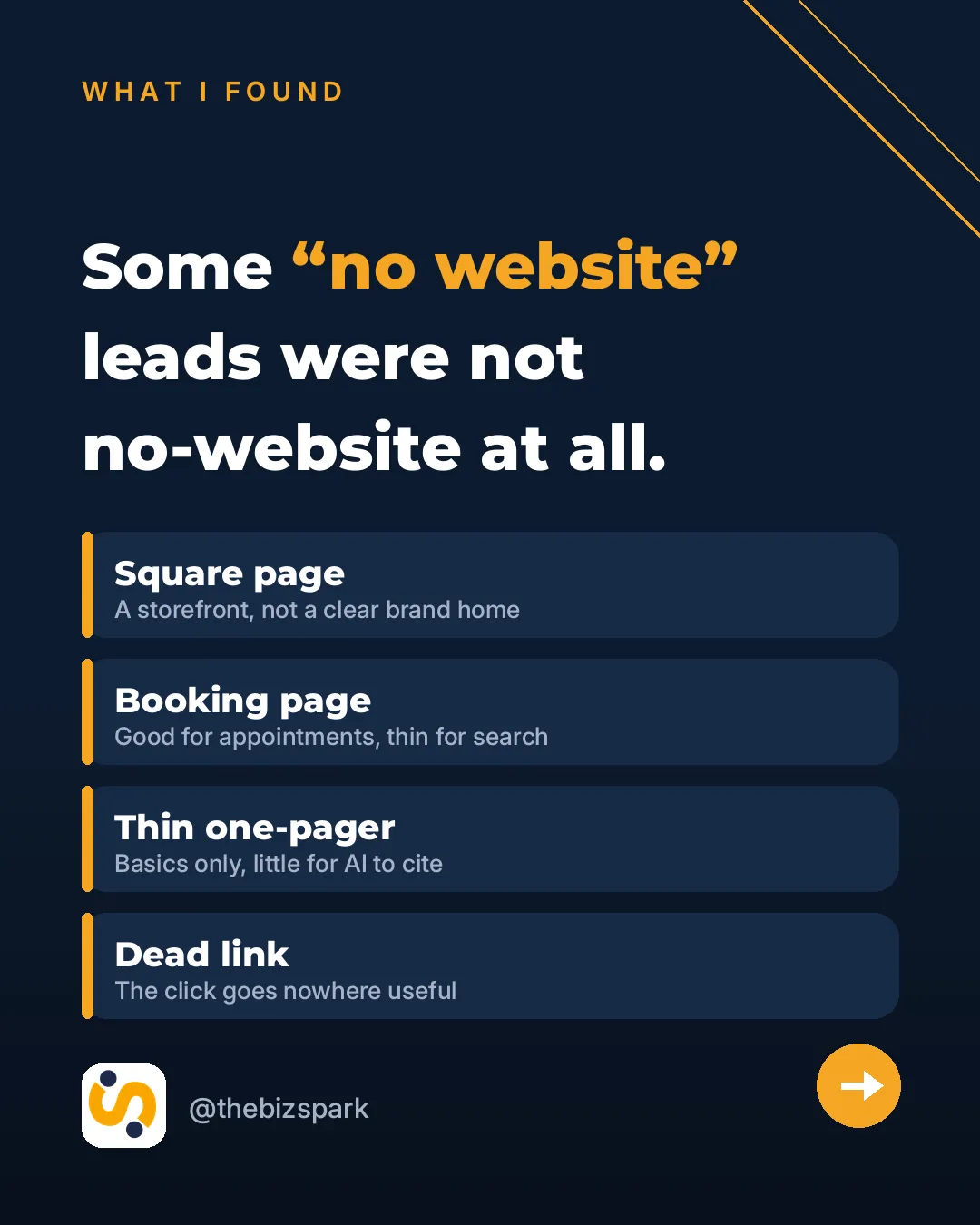
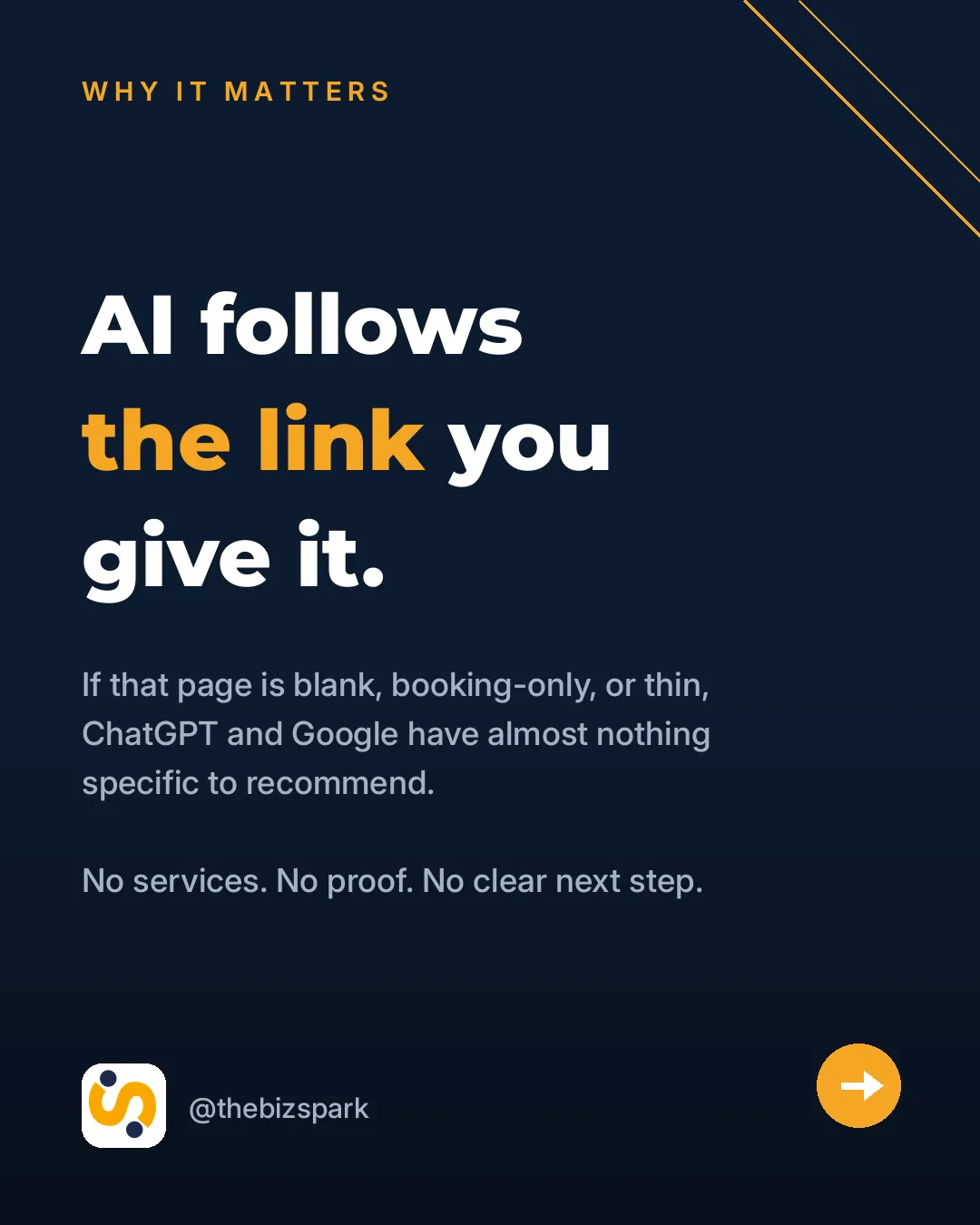
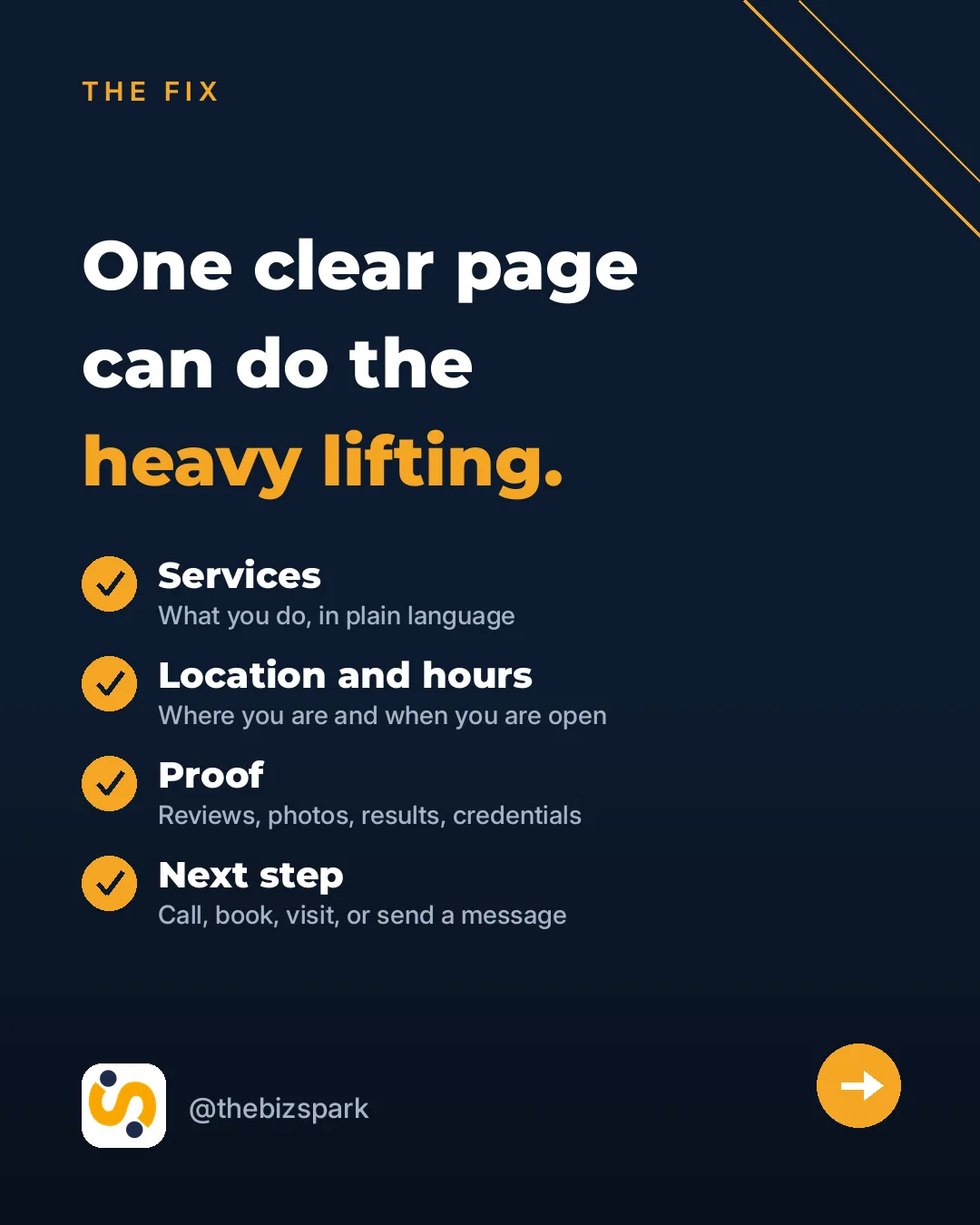
Here is the carousel that came out of that process, in full:
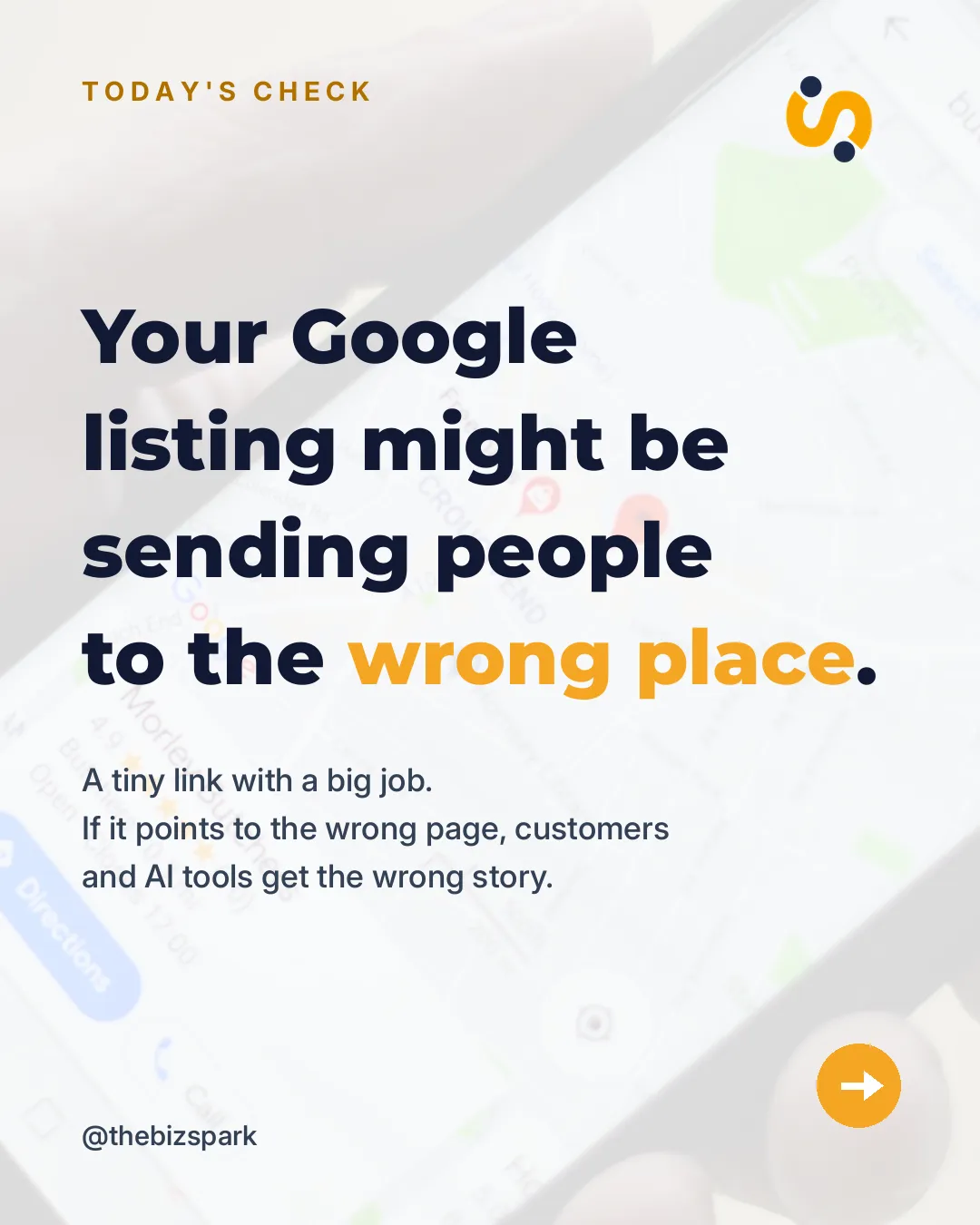

1 / 5
See it live on Instagram: the October 6 carousel (opens in a new tab)
It is a five-slide carousel about Google Business Profile website links and AI visibility, ending with a DM VISIBILITY call to action. And the back-and-forth is visible in its history: the first version went up with page counters on the slides, I deleted it, and we reposted it clean. That is the workflow. Nothing goes out that I have not approved, and the approval loop is the product.
What surprised me most was how easy the connection was. I suspect that is because Muse is Meta's agent and Instagram and Threads are Meta's platforms, so the pieces already speak the same language. By that logic, something like Grok should fit X the same way, since they live in the same ecosystem.
That ecosystem point also taught me a hard lesson. When I tried connecting to X a different way, using the computer the agent has access to instead of an API, it felt like a shadowban: my account went quiet for about a week and I could not use X effectively. Since then, the rule is simple: no more access of that kind to X, ever. It also raises a real question about the agent race taking shape right now. OpenAI launched Dots and Anthropic launched Claude Duet a few weeks apart, both proactive agents that reach out before you ask. Will agents that live inside a platform's ecosystem end up prioritizing the people who use that platform's native agent, over outsiders like Claude or ChatGPT? I do not know the answer yet. But it is the question I am watching.
If you take one thing from this, it is the human in the loop. Whether that is the owner of the business or a designated person meant to review, someone has to own the approval. Do not get tricked into thinking that automatic or autonomous means you do nothing. You still have work to do and things to review. It is just a different workflow.
And that is the same lesson behind everything we write about AI visibility: machines reward clear, consistent, verifiable presence. An agent can help you produce it. It cannot be the one who cares whether it is right.
Follow @thebizspark (opens in a new tab) on Instagram to see the posts, and follow me on X at @builtbygomez (opens in a new tab).